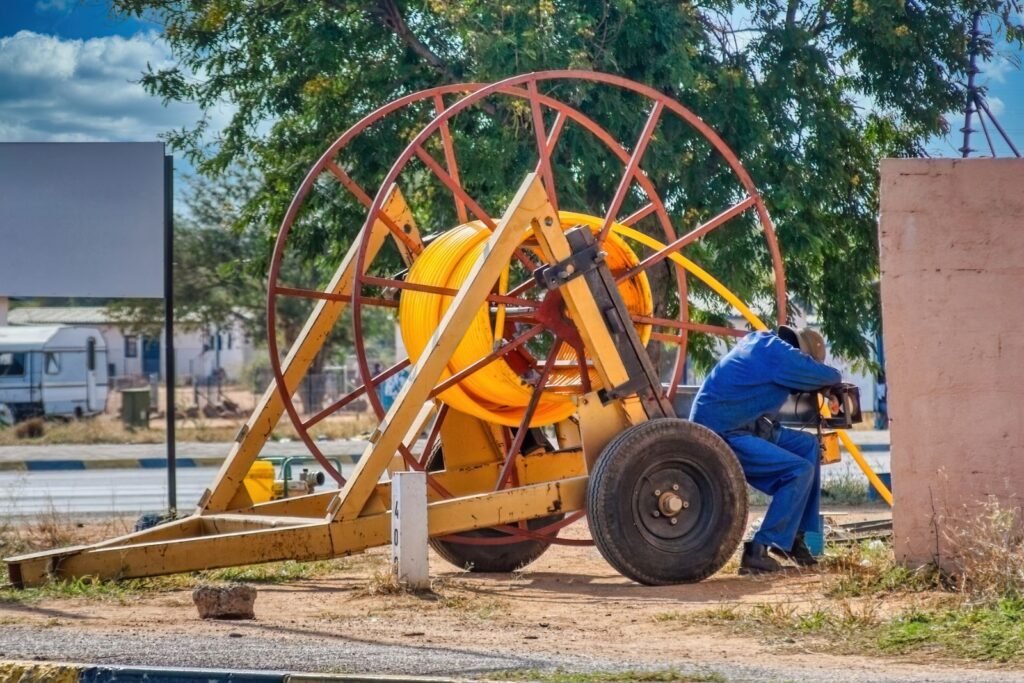
Selecting appropriate material handling machinery is a pivotal operational decision for project managers overseen by major British infrastructure and utility contractors. Large-scale electrical grid updates, telecommunications rollouts, and renewable energy installations require reliable equipment to transport and deploy massive reels of heavy-duty cabling safely across challenging terrain. A high-performance cable drum trailer serves as an indispensable asset on these busy job sites, streamlining logistics while drastically reducing labor demands. Choosing the ideal machinery involves analyzing drum dimensions, site accessibility, towing vehicles, and safety features tailored specifically to British road transport standards and site conditions. Investing in the correct specification ensures operational efficiency, keeps projects strictly on schedule, and protects workforce safety during intensive cable laying campaigns.
Understanding payload capacity and drum dimensions
The primary step when specifying equipment for utility infrastructure is assessing the maximum weight and physical dimensions of the cable reels your fleet will handle. Industrial utility projects regularly require heavy timber or steel spools that weigh several tonnes and exceed two metres in diameter. Choosing a chassis with inadequate payload limits risks structural damage, illegal axle overloading on highways, and severe safety hazards during loading. Engineers must calculate both the gross vehicle weight rating and the maximum drum width that the trailer’s frame can physically accommodate. Selecting a heavy-duty design with an adaptable spindle system ensures your team can seamlessly transport various spool sizes, giving your business the operational flexibility needed to handle different commercial contract specifications efficiently.
Evaluating loading mechanisms and site usability
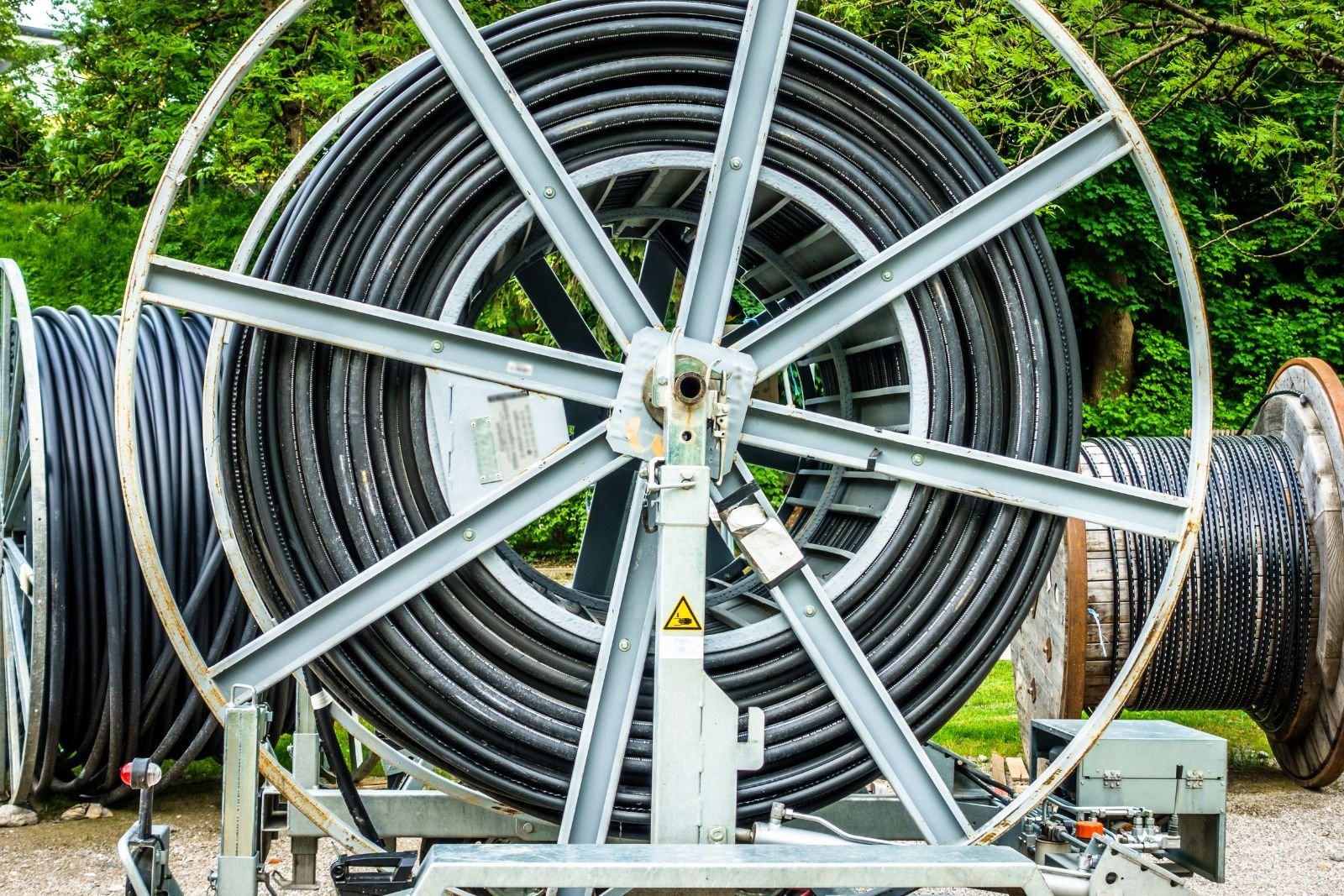
Efficient loading and unloading procedures are essential for keeping labor costs down and preventing site injuries on busy UK job sites. Modern trailers generally feature either manual hydraulic hand pumps, engine-driven hydraulic lifters, or mechanical winch systems to raise heavy drums off the ground. For large utility projects involving frequent spool changes, powered hydraulic lifting arms significantly reduce manual handling effort and speed up setup times for ground crews. Furthermore, site managers should evaluate how easily the lifting mechanism operates in cramped urban streetworks or muddy rural access tracks. A user-friendly hydraulic setup allows a single operator to load and secure heavy drums safely, maximizing daily productivity while mitigating potential ergonomic hazards for your workforce.
Running gear and compliance with British road regulations
Transporting heavy utility equipment between depots and sites requires strict adherence to British road transport legislation enforced by the Driver and Vehicle Standards Agency (DVSA). Equipment designed for highway use must feature fully compliant braking systems, such as overrun or full air brakes, alongside robust suspension configurations to ensure stability while towing under full payload. High-speed axles, integrated mudguards, LED lighting boards, and approved tow-hitch connections are essential for legal operation across UK road networks. Additionally, choosing models equipped with heavy-duty commercial tires and durable mud-flaps ensures the vehicle handles motorway journeys smoothly before transitioning directly onto uneven, unpaved utility easements without risking blowouts or mechanical breakdowns.
Frame durability and protective surface finishes
Utility installation work in the UK frequently exposes transport equipment to harsh weather, abrasive mud, and corrosive road salt during winter months. To ensure long-term reliability and preserve capital investment, contractors should prioritize trailers constructed from high-tensile structural steel chassis. Superior models undergo hot-dip galvanizing or receive specialized anti-corrosion industrial coatings to protect the frame from rust, metal fatigue, and structural degradation over years of heavy outdoor use. A rugged, corrosion-resistant chassis frame withstands constant exposure to damp environments and heavy mechanical stresses, keeping your fleet operational, reducing maintenance overheads, and maintaining a high resale value for your enterprise over its operational lifespan.
Long-term asset value and operational safety benefits
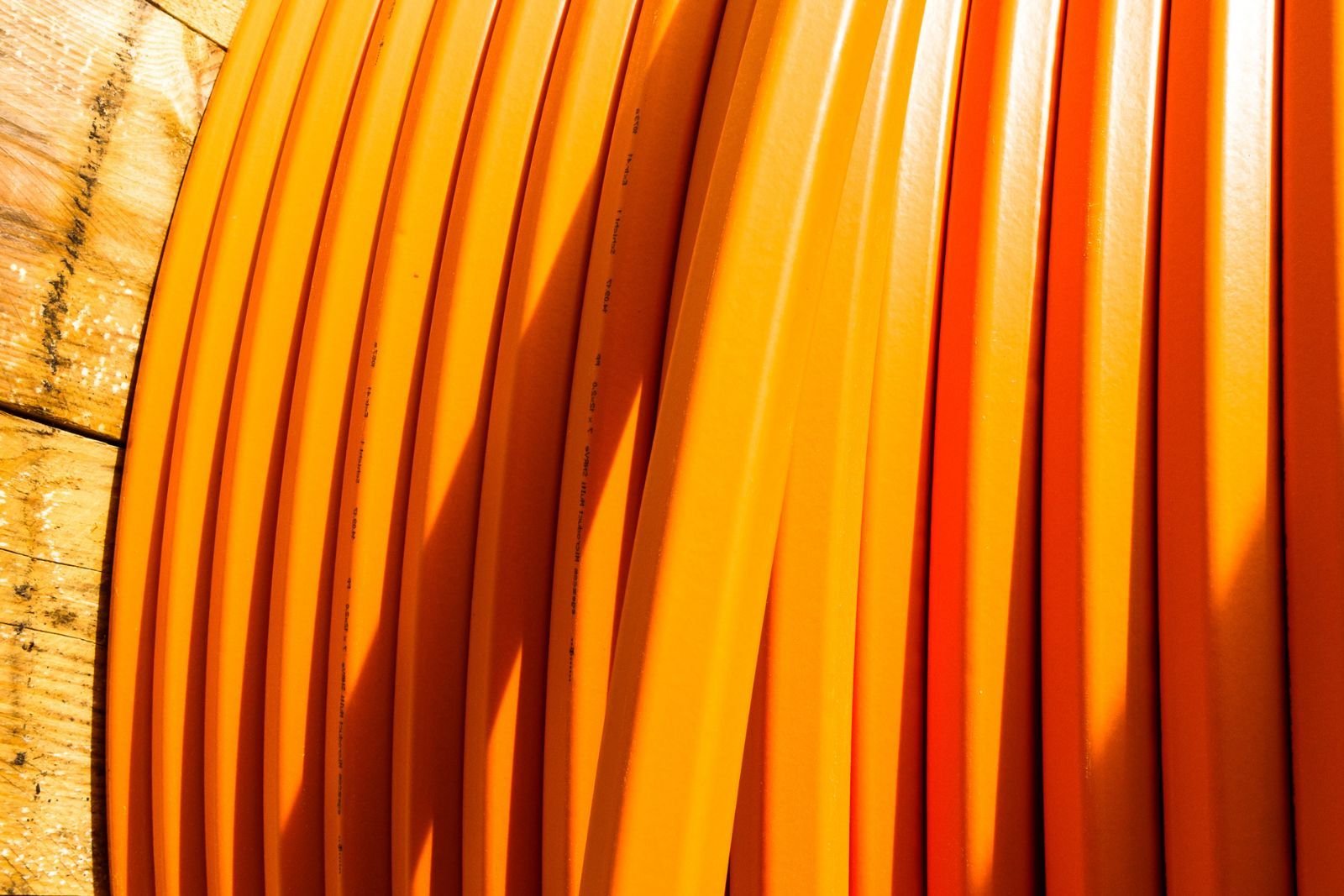
Investing in high-specification cable handling equipment provides utility contractors with lasting financial advantages and operational resilience. Adhering to strict safety guidelines set out by the Health and Safety Executive (HSE) ensures that cable installation tasks proceed without hazardous manual strain or equipment failure. Integrated braking systems, automatic drum locks, and reliable stabilizing jacks prevent runaway reels during high-tension pulling operations. By prioritizing robust construction, versatile hydraulic features, and full highway compliance, commercial enterprises establish a reliable working fleet that reduces site downtime, lowers long-term repair costs, and guarantees high-quality execution across all utility infrastructure contracts.