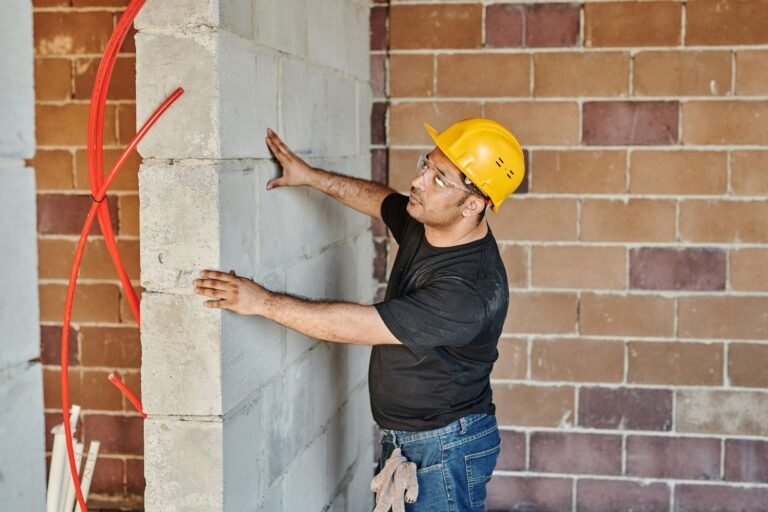
Snagging is the work left over once the shell of a new home is finished: a light switch fitted crooked, paint splashed on a floor, a door that binds, or a gutter that leaks at one joint. Where the developer is registered under the New Homes Quality Code, the buyer gets a formal chance to record these defects before completion, and the Code sets out how a snagging list should be raised, and by when, from that point on.
What is snagging in construction?
Snagging covers unfinished or defective minor work, not the structure underneath it. A missing length of skirting board is a snag; a cavity wall tied together wrongly is not. A ceiling that will not finish flat is a snag; cracking that shows the frame itself is moving is not. The New Homes Quality Code defines a snag as a minor imperfection or malfunction that falls short of the finish promised in the contract of sale, and splits them into two kinds: work left incomplete or omitted, and work that is simply faulty. That distinction decides who fixes what and how fast. A snag sits with the site team on a short timetable; a genuine defect in the structure, drainage or damp-proofing is a different conversation, usually involving a technical manager rather than the finishing trades, and it can affect whether the home is fit to live in at all.
- Paint splashes or drips on walls, floors or fittings
- Doors or windows that stick or will not close properly
- Gaps where frames meet the surrounding wall
- Cracked plaster or missing skirting boards
- Cracked tiles or ragged grout lines
- Light switches or sockets fitted in the wrong place
Pre-completion snagging: catching problems before you move in
Under the New Homes Quality Code, a buyer is entitled to a pre-completion inspection, and to appoint a qualified inspector of their own rather than rely only on the developer’s check; the Code requires that chance within five days of the notice to complete being served, working from a standard checklist so nothing gets missed on the day. Bring a torch, a tape measure and something to write on, and go through every room with the site manager. Open and close every window and door, run every tap including the outside one, flush every toilet, and look for cracked plaster, paint drips, gaps around frames and skirting fitted badly. Photograph everything and get a date for each fix in writing. Under the Code, a snag not resolved within thirty days of being reported moves into the developer’s formal complaints process, worth knowing before you accept a vague promise instead of a date.
After completion: the two-year defects period
Most structural warranties on new homes, including NHBC Buildmark, LABC Warranty and Premier Guarantee, split their ten years of cover into an initial defects period, usually the first two years, where the builder is responsible for putting faults right, followed by a longer insurance-backed period covering major structural problems only. Most minor snags that were missed at completion surface during that first two-year window, while the builder’s own obligation still applies. It is worth arranging a second, independent inspection well before that window closes, rather than waiting until the final weeks, so there is time left to press for a fix. List every new crack, stain, failed window seal or sagging door hinge, and send it to the builder in writing with photographs and a requested date. Once the two-year period has closed, responsibility for most of what is left, short of a genuine structural defect, sits with the homeowner.
The New Homes Quality Code and the Ombudsman
Developers sign up to the New Homes Quality Code to become a Registered Developer; most warranty providers require it and most mortgage lenders expect it too, which has made it close to standard practice across new-build sales. The Code promises a pre-completion inspection, a snagging process and a formal route for complaints the developer has not resolved. The New Homes Ombudsman Service, set up in 2022, is free to the buyer and can be brought in once a Registered Developer has failed to resolve a complaint within the timescale the Code sets. Its decisions bind a developer that remains part of the Code, and it can order compensation for distress and inconvenience up to a published limit, alongside any repair it orders. Complaints usually need to be raised within two years of legal completion, so a snag reported to the builder late in that window still needs a paper trail from day one.
A self-builder’s snagging list and the retention
On a self-build with a main contractor, the retention in the contract is your lever: part of it is still held after practical completion and only comes back at the final certificate, once the defects have been put right. How much is held, and when it is released, depends on the wording, which is one reason picking a builder on price with a vague contract costs self-builders so much. Before the final payment, run your own snagging survey with a hired surveyor and list every item found; most builders would rather fix a dozen snags than lose a payment owed. Where trades are not bound together under one contract, because you are managing the build yourself or using separate package suppliers, snagging is far less formal. Keep a running list as each stage of the build order on site finishes, photograph work before it is covered up, and walk the building with each trade before paying them off. A defect that surfaces later with no one left to own it becomes a cost only you can carry.