Subsidence starts in the ground: the soil under part of a house sinks and takes the foundations down with it, so walls crack and doors stick. In Britain that soil is usually clay shrunk by dry weather and tree roots, or ground washed out by a leaking drain. Any repair has to begin with the cause, which is why underpinning is rare: RICS quotes an estimate that fewer than 5% of subsiding homes need it.
What causes subsidence under a house?
Clay holds a lot of water, about 30–35%, according to the Financial Ombudsman Service. As it dries it shrinks, and a footing resting on it drops. The British Geological Survey’s page on swelling and shrinking soils places the most shrinkable clays mainly in the south-east, and much of London is built on them. Moisture usually changes in the top 1.5–2 m of ground, deeper where roots reach, which puts older houses on shallow footings at risk. Trees and shrubs draw most water in spring and summer, and NHBC lists oak, poplar, willow, elm and eucalyptus among those that can move the ground near a house. A dry year shows in the claims. After the driest spring in more than 50 years, insurers paid out £307 million on house subsidence in 2025, the most in ABI figures going back to 2017.
Leaking drains that soften or wash away the ground
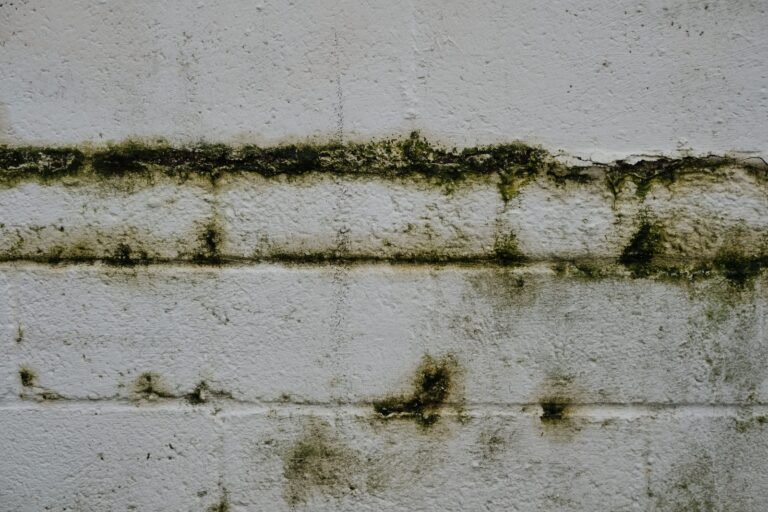
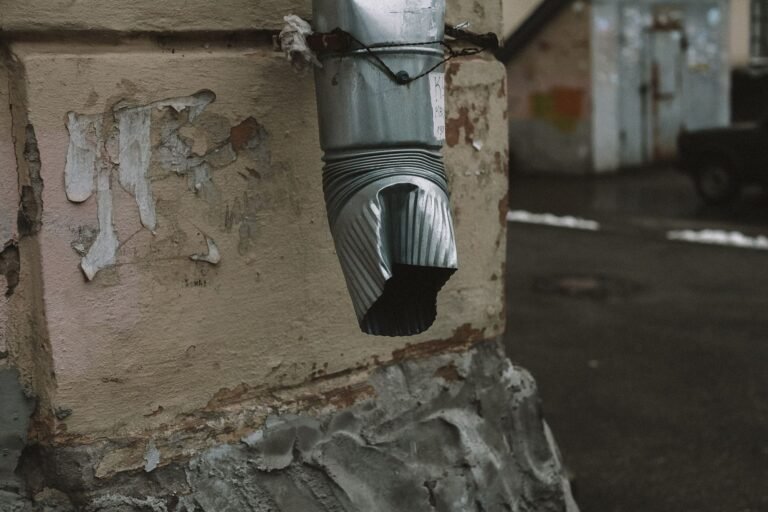
Too much water does its own damage. A cracked drain, or a supply pipe leaking for months, softens the soil under a footing or carries its fine particles away, mostly in sandy or gravelly ground and sometimes in chalk. Repairing the pipework usually stabilises the house without underpinning. Moving ground can crack drains too, though, so a camera survey that finds a broken joint has not proved which came first. Who fixes a broken drain depends on where it runs. Since 1 October 2011 the water company has owned most shared sewers and lateral drains in England and Wales, a lateral being one home’s drain beyond its boundary; the part inside is yours. An insurer may treat the claim as an escape of water first, usually with a lower excess. A downpipe emptying onto bare soil does the same on a smaller scale, and the damp it leaves at the foot of the wall is often wrongly blamed on rising damp.
Which cracks are signs of subsidence?
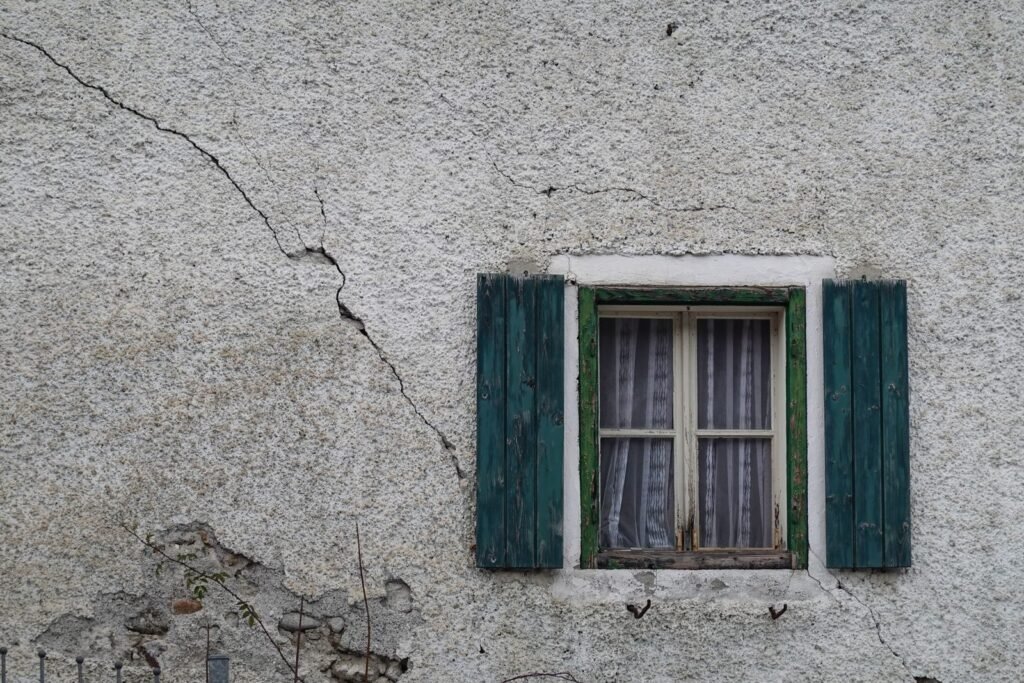
Most cracks are not subsidence. NHBC treats a crack of 2 mm or less as cosmetic, and RICS rarely sees real cause for concern unless cracks appear suddenly and are more than 3 mm wide, roughly the thickness of a pound coin. The signs of subsidence that matter come together: a crack wider at one end than the other, running diagonally or stepping through the mortar near a door or window, visible inside and out, with doors starting to stick. Settlement is different. The ground under a new house compacts under its weight and soon stops, so fine cracks in a new home are normal. Thermal cracks tend to be vertical, even in width and under 2 mm, and open and close through the year. Cracks from shrinking clay can do the same, which is why one inspection is not enough. Pencil the date at each end of the crack and photograph it beside a ruler; a month later, measure it against the marks.
What your insurer does after a subsidence claim
Tell your insurer as soon as you suspect movement, since a late claim can be refused. Expect a subsidence excess, normally the first £1,000 according to the brokers’ body BIBA, and more on some policies. A thorough investigation, as the Financial Ombudsman Service’s guide to subsidence claims describes it, starts with shallow holes to find how deep the foundations go and what they sit on. Boreholes bring up soil for testing, a camera goes through nearby drains, and the cracks are monitored, sometimes for a year so every season shows. Leaking drains are usually repaired first. A tree may be cut back, held off with a root barrier or felled, but one under a Tree Preservation Order needs council consent backed by evidence that it is a material cause. If the tree is a neighbour’s and they will not have it cut back, the insurer can take legal action. RICS puts the whole process at up to two years.
How to fix subsidence, and when underpinning is needed
Once the cause has gone, most houses stabilise and the repair stays above ground, with cracks made good and doors eased before anyone redecorates. Filling cracks while the ground still moves is money wasted, and the Ombudsman expects repairs to last. Felling occasionally backfires: clay that a big tree has kept dry for years can swell once the roots stop drinking and lift the house (heave), so pruning may be advised instead. Underpinning is kept for movement that cannot be stopped at source. RICS passes on the Institution of Structural Engineers’ advice to use it only as a last resort, and puts the cost at £10,000–£75,000 for a typical house. The Building Regulations define it as building work, and it goes in short sections, each normally inspected by the engineer and a building control surveyor before concreting. Underpinning a shared wall also needs a party wall notice.
Buying or selling a house with a history of subsidence
A past claim does not make a house unsaleable, but it must be disclosed: in England and Wales a misleading answer on the TA6 property information form can cost the seller compensation after completion. Sellers should keep the whole file, from the engineer’s reports and monitoring readings to the completion certificate for any underpinning. BIBA says the existing insurer will normally carry on the cover, and a sale is far easier if an insurer will transfer it to the buyer. A buyer should start with an RICS Level 3 survey and proof of when, why and how the house was repaired, then get an insurance quote on its claims history before exchange, when the risk usually passes to them. In old coalfields, read the mining search as well. A closed claim with a known cause and a year of flat readings can be a safer buy than the house next door with a fresh crack nobody has explained.