Yes, you can get a mortgage to build a house in the UK. Most self-build lending comes from regional building societies, whose case-by-case assessment suits a one-off project. What sets a self-build mortgage apart is timing. The money arrives in stages as the house goes up, and whether each stage is paid before or after the work decides how much cash you have to find yourself.
How does a self-build mortgage work?
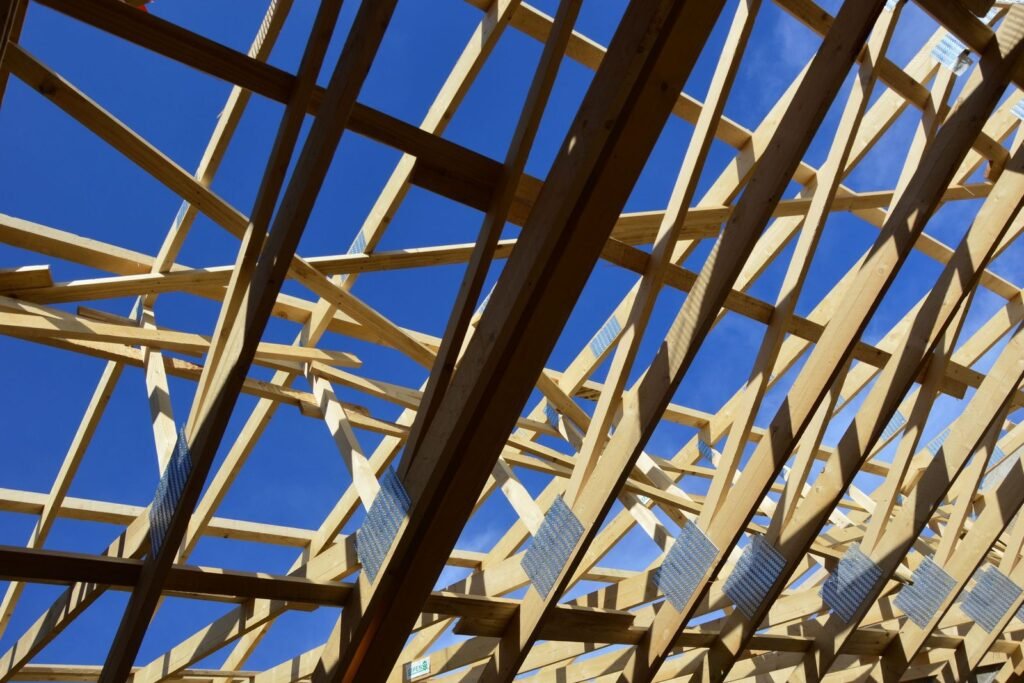
Like any mortgage, it is secured by a legal charge, here on the plot, but bare land is rarely worth anything close to the loan you need. So the lender pays out in agreed tranches that follow the build sequence from foundations to second fix, not in one sum at the start. The guide from the National Self Build and Renovation Centre (NSBRC) sets out six usual release points for a new build; on a renovation or conversion they are tailored to the job. Most lenders let you pay interest only during the build, on the money drawn so far, which helps while rent or your current mortgage still goes out. Build method shapes the pattern. Brick and block spreads the spending fairly evenly. A timber frame or another factory-made system front-loads it, since the supplier can want a large payment before anything reaches the site.
- Plot purchase completes, if the loan covers land
- Foundations and ground floor slab done
- Masonry or frame at eaves height
- Shell weathertight
- Walls plastered over the first fix
- Completion certificate issued
Arrears versus advance stage payments
This choice sets how much of your own cash the build ties up. With arrears stage payments, the more common arrangement, you pay for each stage first and the lender reimburses you once it is finished and checked. Advance stage payments reverse the order, paying before each stage at amounts fixed when the mortgage is agreed. The difference shows in the deposit. In the comparison table in NSBRC’s guide to self and custom build mortgages, arrears terms ask for 15–20% down and lend up to 80–85% of plot and build. Advance terms need as little as 5%, lend up to 95% and can pay up to 90% of a timber frame’s price before it goes up. Suffolk Building Society names the catch: advance products are rarer and usually carry a higher rate, because the house securing the loan does not exist yet. Arrears works best when you own the plot and can carry each stage from savings, above all in masonry.
Land, planning and the paperwork lenders ask for
Applying for a self-build mortgage in the UK looks much like any other application, with a project file on top. It holds a location plan, professionally prepared drawings and a specification, and costings from your architect, project manager or a quantity surveyor. With no figures yet, test the idea against UK build costs per m² and a worked three-bedroom budget first. Land changes the planning test. If the loan also buys the plot, many lenders accept outline consent; if you already own it, expect to need detailed planning permission first, though the plot’s value can then count towards your stake. NSBRC’s rough guide to borrowing is about 4.5 times gross income, with affordability tested as if rates rose. Two conditions are easy to miss: site insurance, and a structural warranty or, instead, a Professional Consultant’s Certificate from an architect or chartered surveyor. Find out which the lender accepts before paying for either.
What does the valuer check before each release?
The valuer puts a figure on the site as it stands that day, not on what you have spent getting it there. On a valuation-based mortgage, which always pays in arrears, that figure caps your total borrowing, usually at 60–80% of it, according to NSBRC. Spending and value do not rise together. Foundations and drains cost a great deal and then vanish underground, so a cautious report after the slab can leave you short just as the bricklayers arrive. Each extra valuation carries a fee. A cost-based product ties each release to the costed stage agreed at application, with no fresh valuation in between. At the end the lender typically wants the final warranty certificate or the architect’s sign-off and a last visit from its valuer. The loan then usually switches to repayment, and you can often move onto a standard mortgage at a lower rate.
Self-build finance for the gaps between releases
Design fees, surveys and the planning fee fall due long before the first release. VAT opens a slower gap: materials you buy yourself carry it at the counter, and HMRC’s refund for DIY housebuilders comes back in a single claim after completion. Savings, equity in your current home, or selling up and renting usually fill these holes. A bridging loan is the costly fallback. It is short-term and normally repaid in one sum, so it makes sense only with a firm exit, such as an agreed sale. Look any new lender up on the FCA Firm Checker before you sign. Then choose the product by cash, not by rate. The figure that matters is the dearest single stage on your costings plus the bills due before the first release. Held in cash outside the contingency, that sum makes arrears terms, usually the cheaper kind, a realistic choice; without it, an advance product’s higher rate buys a build that does not stall between releases.